Ask yourself three questions:
Did I go to this place because I genuinely wanted to, or just because of an algorithm recommendation?
Did I queue for four hours at this restaurant to try the food, or to get a photo to post online?
How much of the three hours I spent at this attraction was truly spent experiencing it, and how much was spent searching for the perfect angle?
By Yuhan Yang
Several days ago, following a route planned on Xiaohongshu (a Chinese social media platform), my friends and I completed a three-day, two-night special forces-style trip to Changsha, Hunan.
Honestly, when I recall this trip now, I’ve discovered a sad truth: I cannot remember the joy of the trip, only that I was exhausted form rushing, meticulously following the special forces route on Xiaohongshu. Actually, no one pushed me, yet I was inexplicably exhaused.
I believe this also reflects a very absurd phenomenon: when we travel now, it seems to have become merely to complete a task: we have to produce “god-tier” photos for social media, replicating every spot, angle, and story already validated by Instagram and Xiaohongshu.
(Posed photos of me at the exhibition)
We are not traveling, we are just completing a list, fulfilling our checklist plans.
The Invisible Navigator
Now, think about it: what was the last reason that you decided to go somewhere?
If you are like most people, the answer might be: because you saw that place on social media and many people recommend it. Perhaps it’s a meticulously filmed video, a photo accompanied by beautiful captions, or a blogger’s enthusiastic recommendation. But have you ever considered that, the blogger might recommend a place simply because it’s visually appealing and likely to generate high engagement?
According to data from Statista research on tourism, social media’s influence on travel destination selection is increasingly significant. However, this isn’t just an “influence”. It’s a silent redirection.
The algorithm works simply, it showcases content that has already succeeded and gained high exposure. Places that receive the most likes, comments, and saves are recommended to more people. Conversely, places that are “unphtogenic” and haven’t gone viral gradually disappear from our view. As a result, travelers from different countries begin to flock to the same locations, repeating the same actions and taking the same photos.
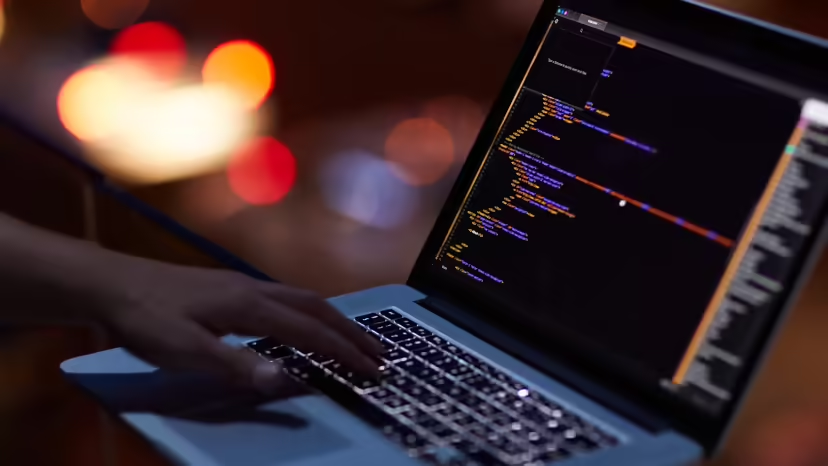
(Programmers design algorithms. Source: Google Share Link)
Think back to when you’ve stood in seemingly endless queues at certain trendy tourist spots, just to recreate the actions and angles you saw on social media?
This time, my old friend Sio, a normal traveler, also shared her travel experience.
Remember:
Algorithms don’t show us hidden or interesting places. They only show us content that’s already performed well.
When the Experience Becomes the Background
Sociologist Erving Goffman once wrote:
Our social life is essentially a performance.
We are actually all actors, the world is the stage, and the self-image we carefully craft for others to see is what he calls the “front-stage self”. Social extends this front stage to every aspect of our lives, and travel is no exceotion. We no longer simply go somewhere. We do meticulous pre-planning, then add Instagram-worthy captions and post.
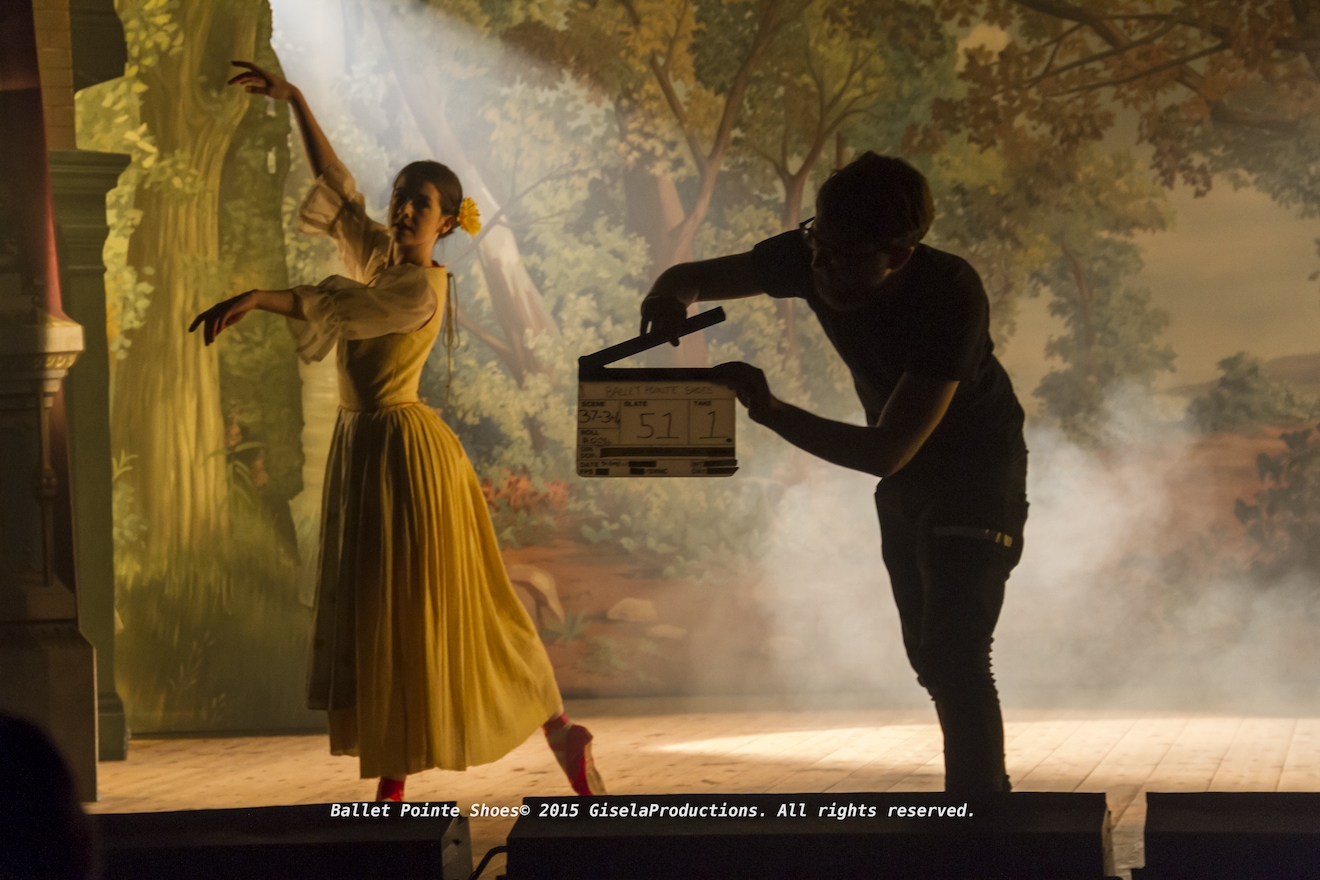
(A dancer is recorded performing on stage. Source: Google Share Link)
Thus, travel becomes the content, and the experience becomes the background.
French philosopher Guy Debord described modern society as a “society of the spectacle”, He wrote this in the 1960s, so he couldn’t have imagined what Xiaohongshu or Instagram would look like right? But I think, he had already foreseen it.
The Moments You Didn’t Post Online
Interestingly, if you ask people about their most unforgettable travel experiences, almost everyone’s answer has nothing to do with a perfect photo. It might be a burst of unrestrained laughter, an embrace in the orange-purple sunset, the roar of the waves while walking slowly on the beach, or an unexpected but heartwarming dinner. These stories might be talked about for years, but most of them go unrecored.
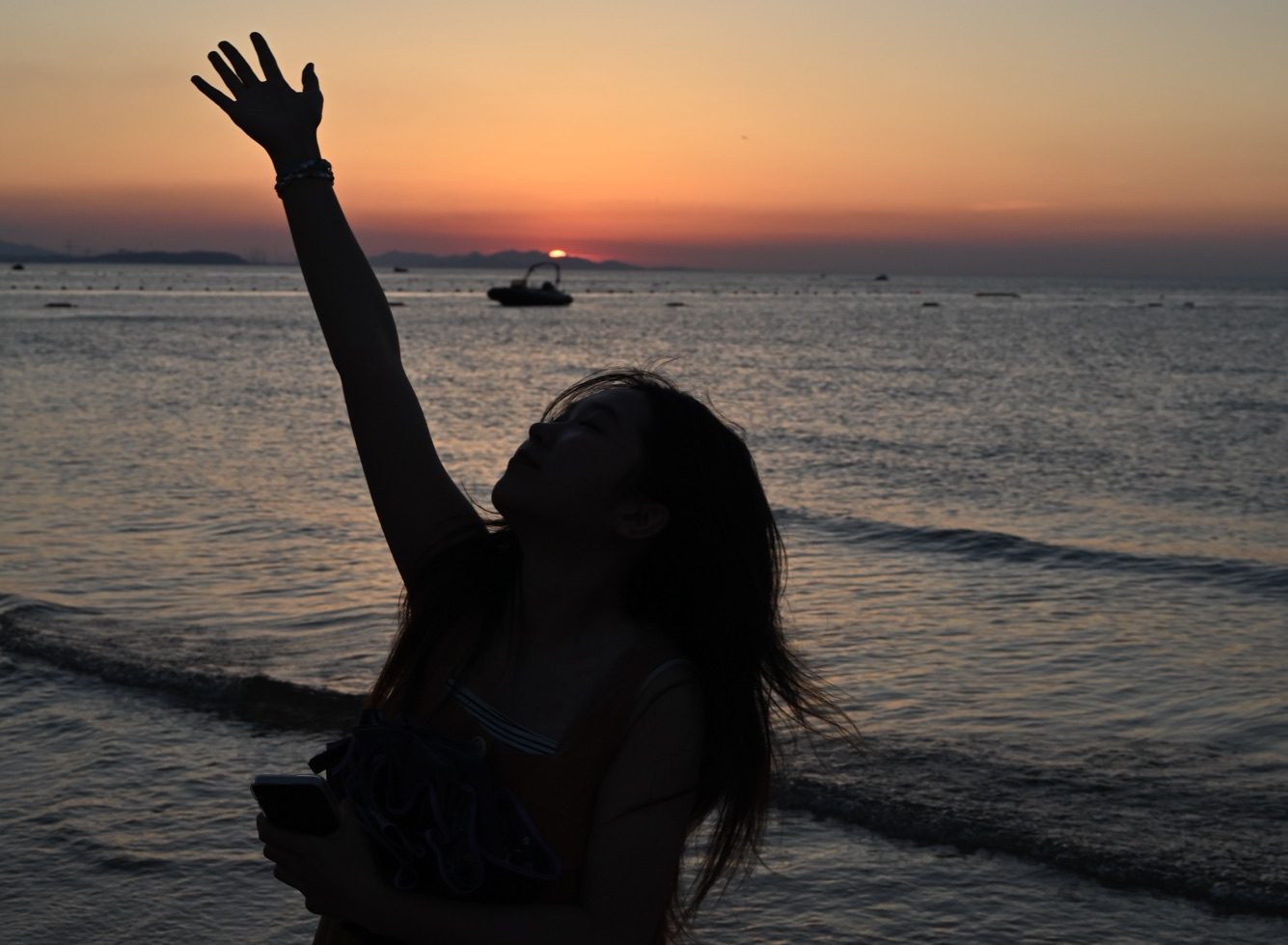
(By the seaside in Qingdao, I tried to feel the glow of the sunset and the breeze brushing against my fingertips. Photography by Yutian Xie)
Henkel’s previous research shown that when we focus on taking picttures, our memory of the surrounding environment significantly decreases. In other words, the more you take pictures, the less you remember.
Therefore, the most memorable moments are often those where you are no longer deliberately acting, but fully immersed in the present, without time to record them.
Finding Authenticity in Front of the Lens
However, this doesn’t mean that you should delete your Instagram or Xiaohongshu accounts, or never take travel photos again. It simply means you should realise the difference between recording travel and experiencing travel. Perhaps you should occasionally ask yourself: do you go somewhere because you genuinely want to go, or just because an algorithm guides you there?
So, perhaps on your next trip, you can ask yourself three questions:
- Did I go to this place because I genuinely wanted to, or just because of an algorithm recommendation?
- Did I queue for four hours at this restaurant to try the food, or to get a photo to post online?
- How much of the three hours I spent at this attraction was truly spent experiencing it, and how much was spent searching for the perfect angle?
Then, leave some blank space.
No need for photos, no need to share stories.
Feel, experience, and enjoy everything through your eyes, mouth, and skin perceive in the present moment.
That, is the most precious part of travel.
And no algorithm can store or pack these for you.
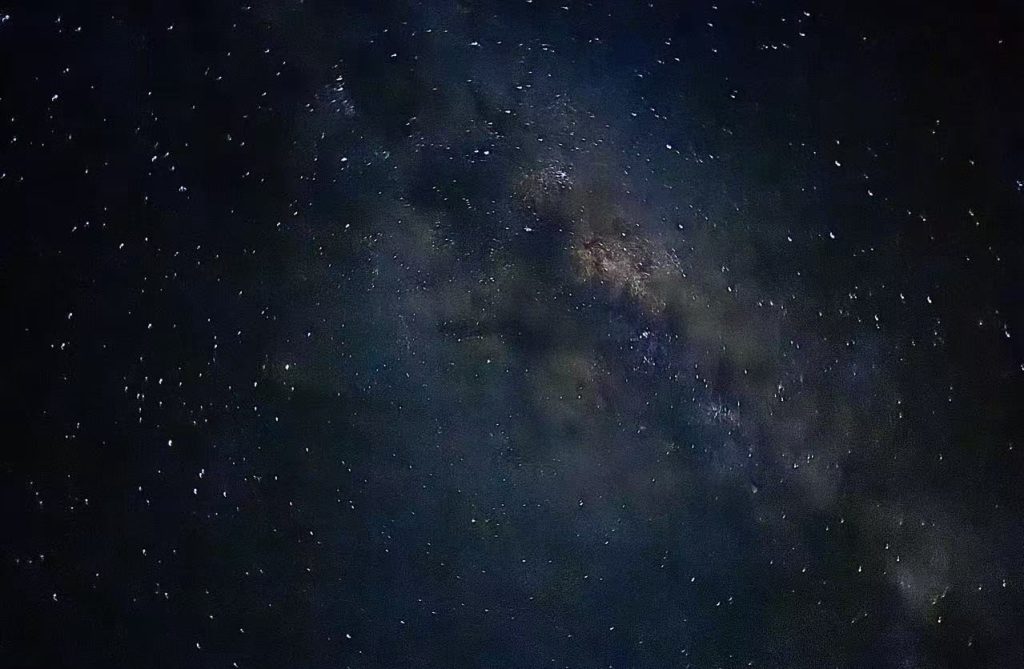
(If you don’t know how to travel, just look up at the starry sky. Photography by Sihan Wang)

